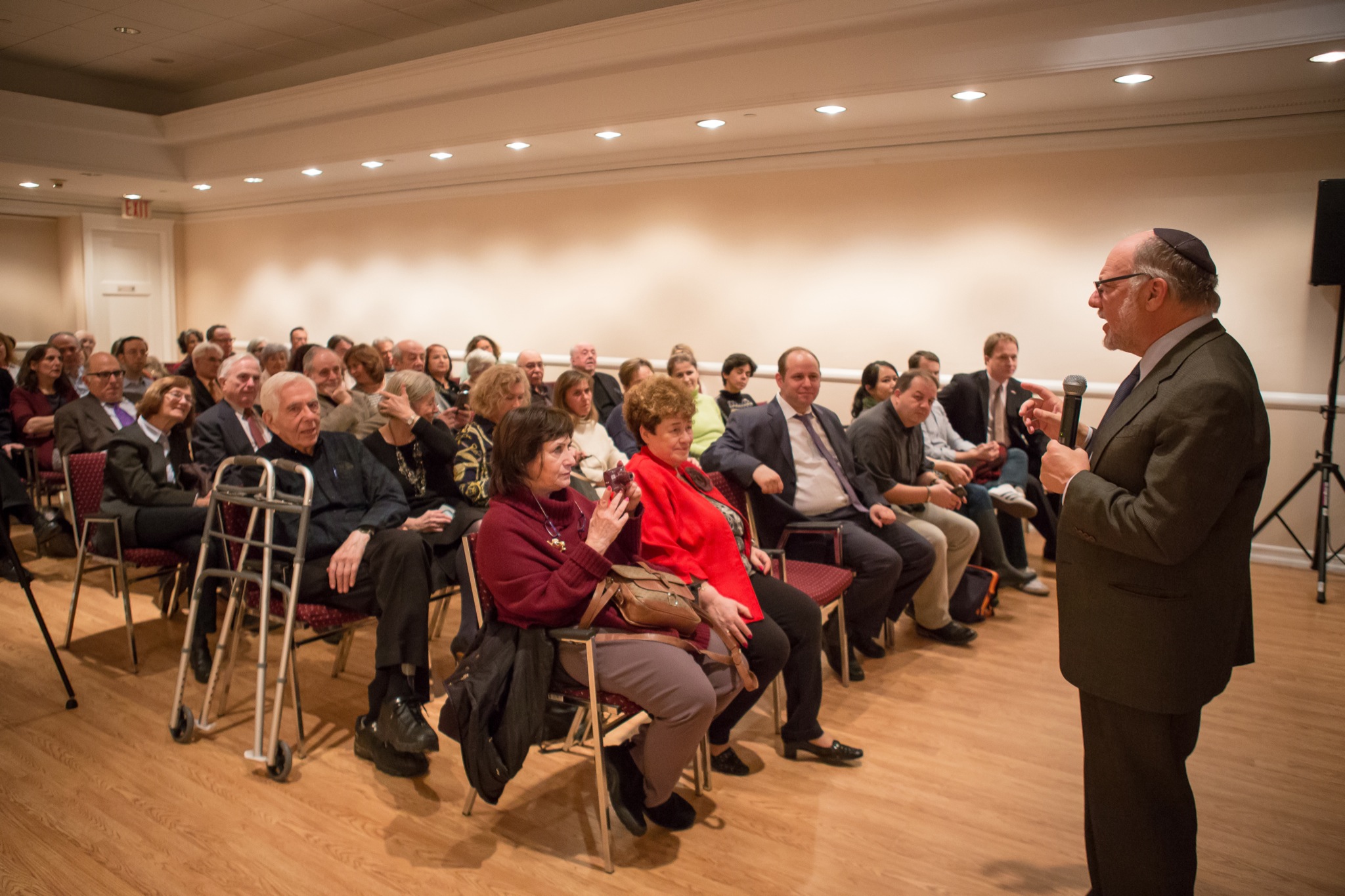
Quarter7Quarter8
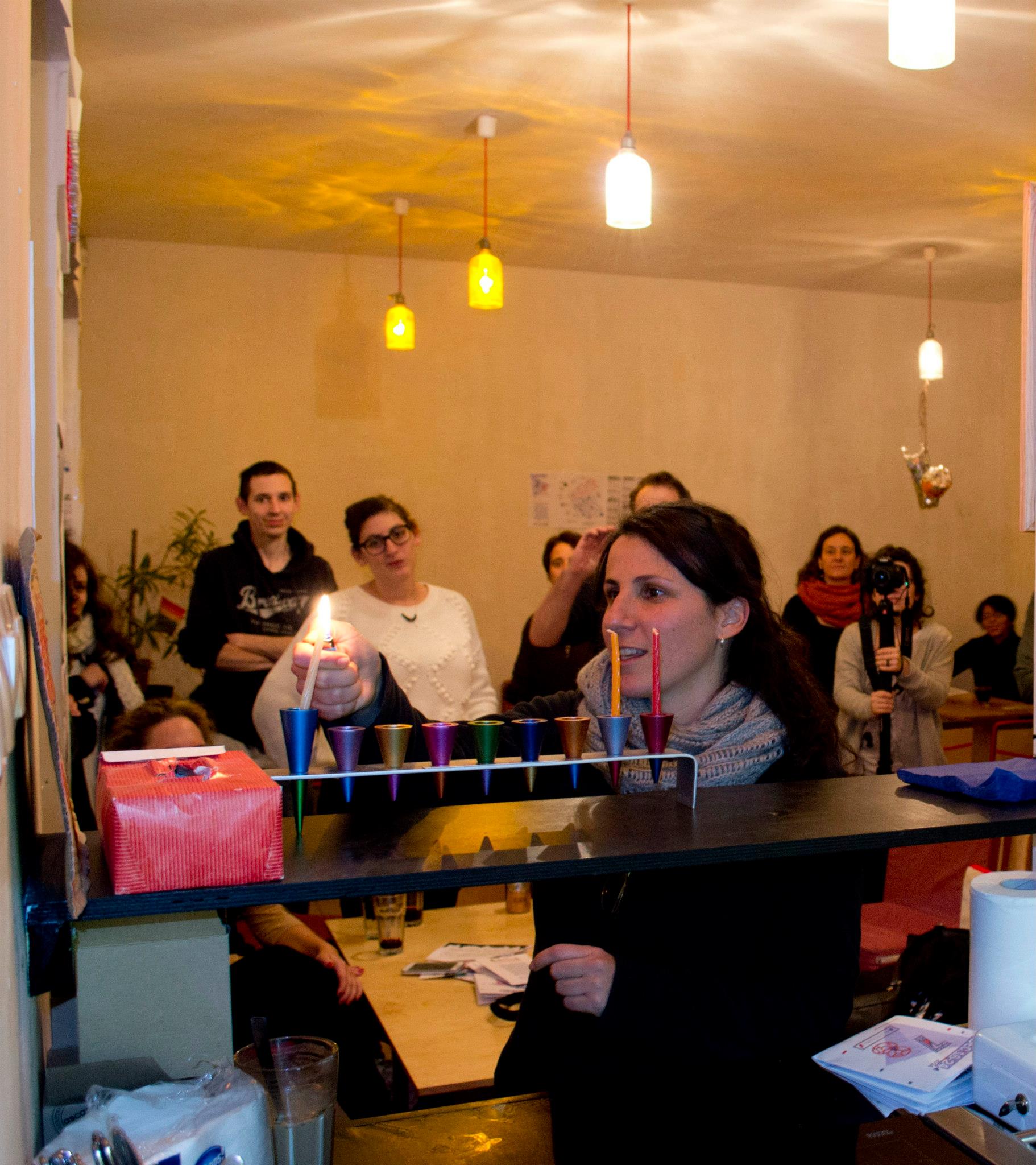
 The festival called Quarter7Quarter8 celebrates Pesach and Chanukah in Budapest in a Jewish community. The ancestor of the festival was called Quarter6Quarter7 but there were new places, new community and new centre in the year 5774.
In previous years, the Quarter6Quarter7 concerned the main location of Jewish communities, synagogues, bars, shops, etc. in Budapest city, in District 6 and 7 (i.e. Quarter6 and Quarter7). The Sirály Jewish cultural center, the former base of the festival in District 7 has been closed in 2012, therefore the organizers were looking for a new location. In 2014, they opened the Auróra cultural center in District 8, Budapest.
The main question of the Quarter7Quarter8 was what the relationship is between the different parts of the city? How can we connect the District 6 and 7, which are the number one party quarters in Budapest, with District 8 which is less commercialization and has socio-culturally diverse community? Do the quarters have different social problems and types of solution?
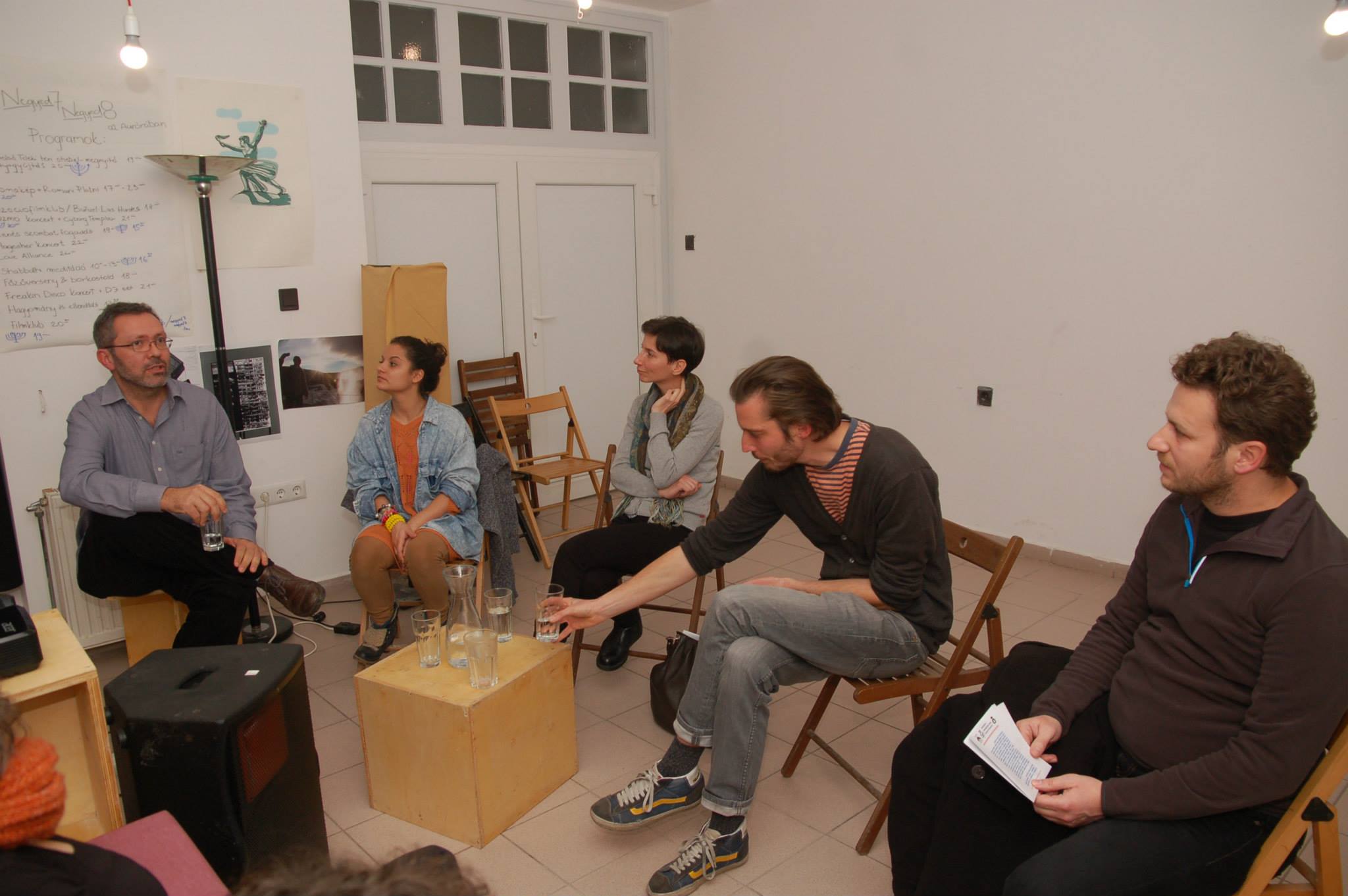
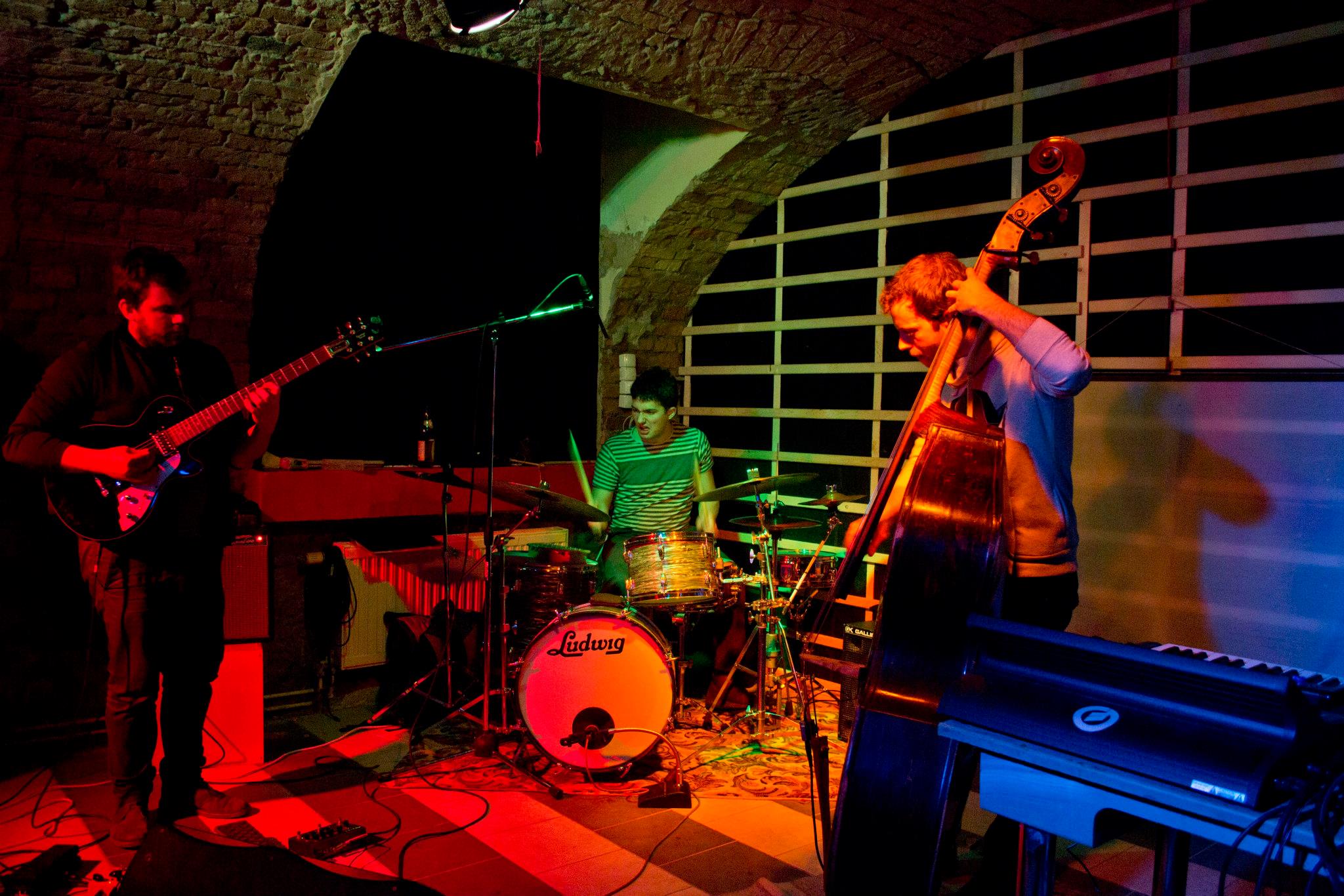
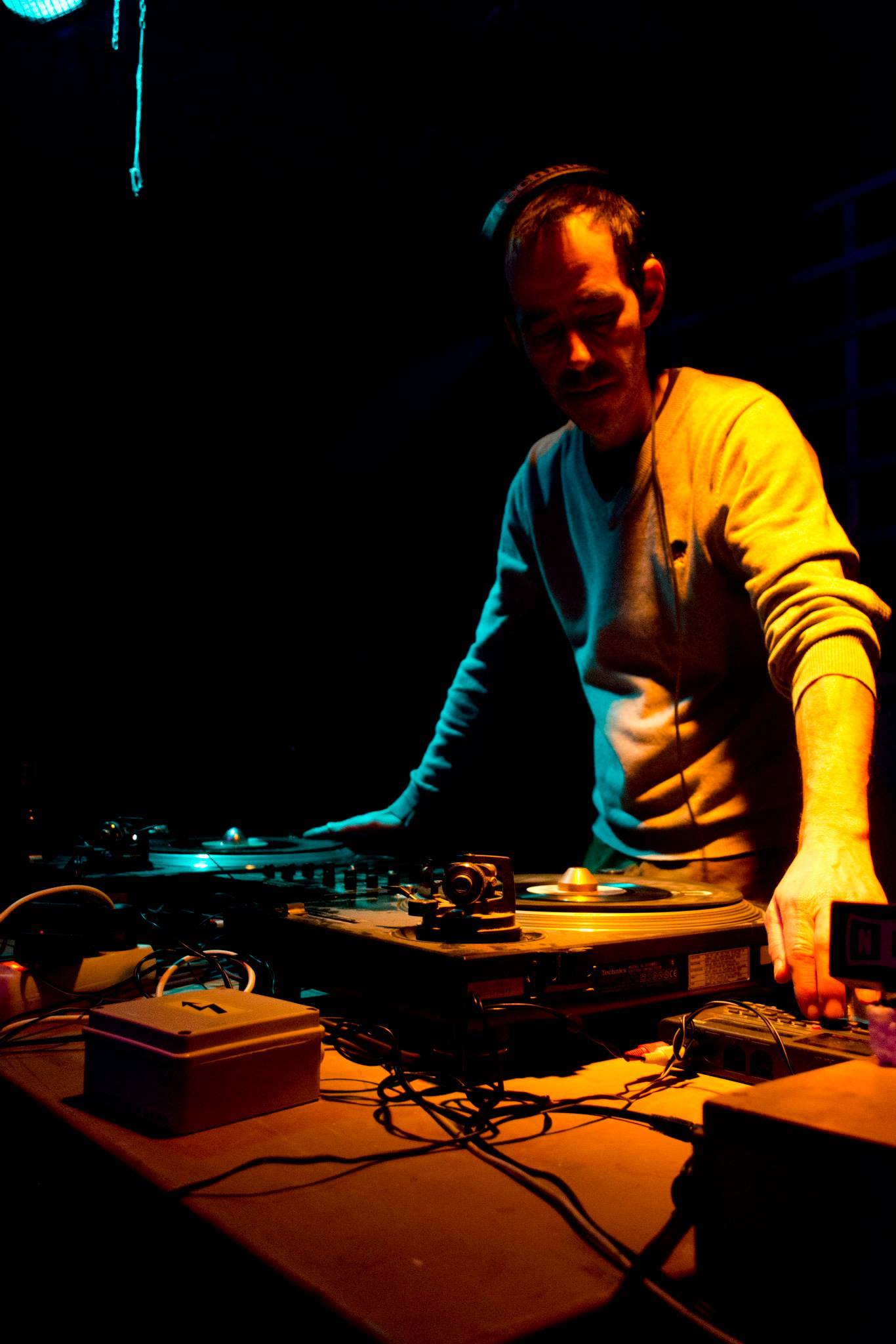
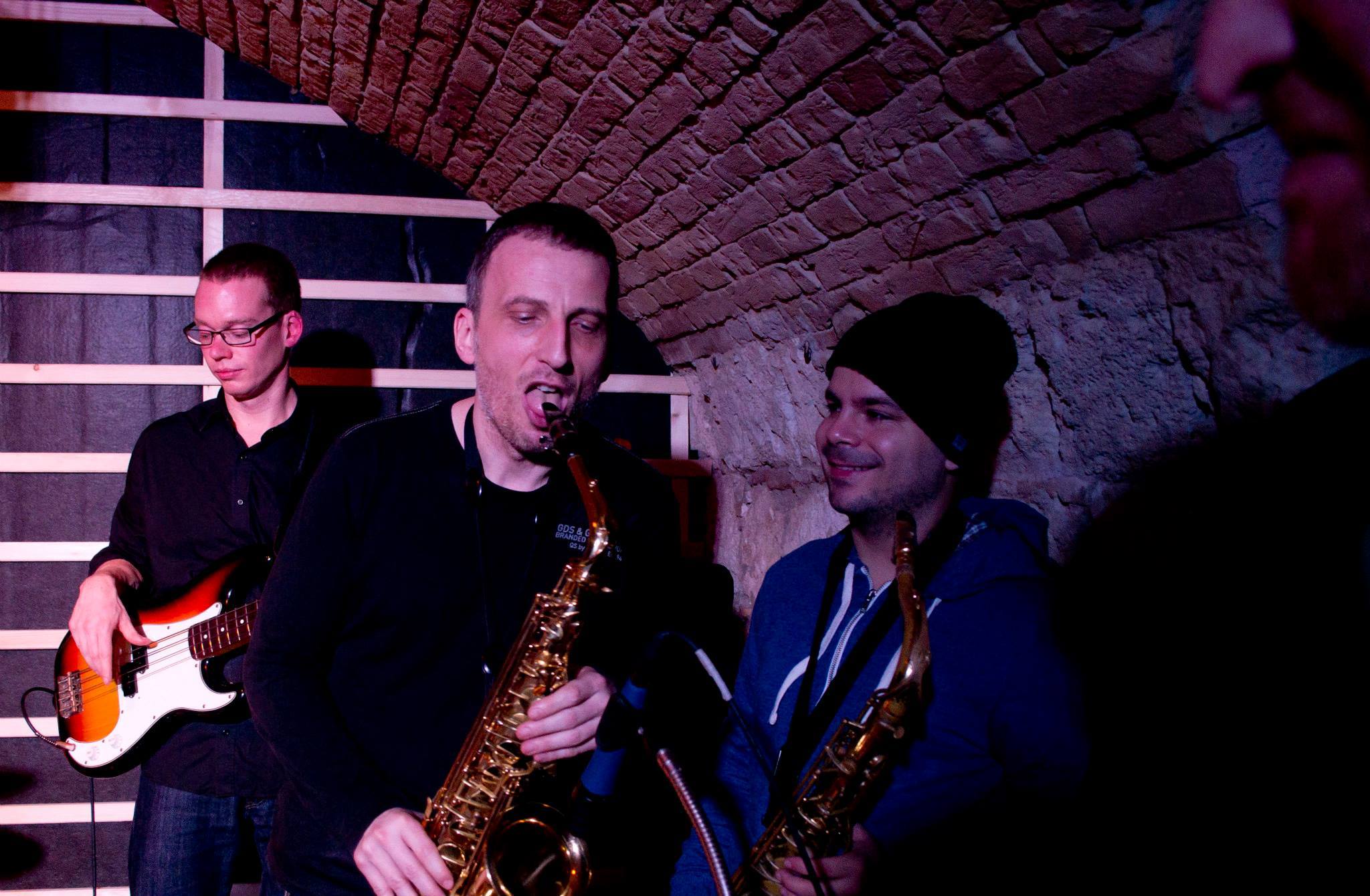
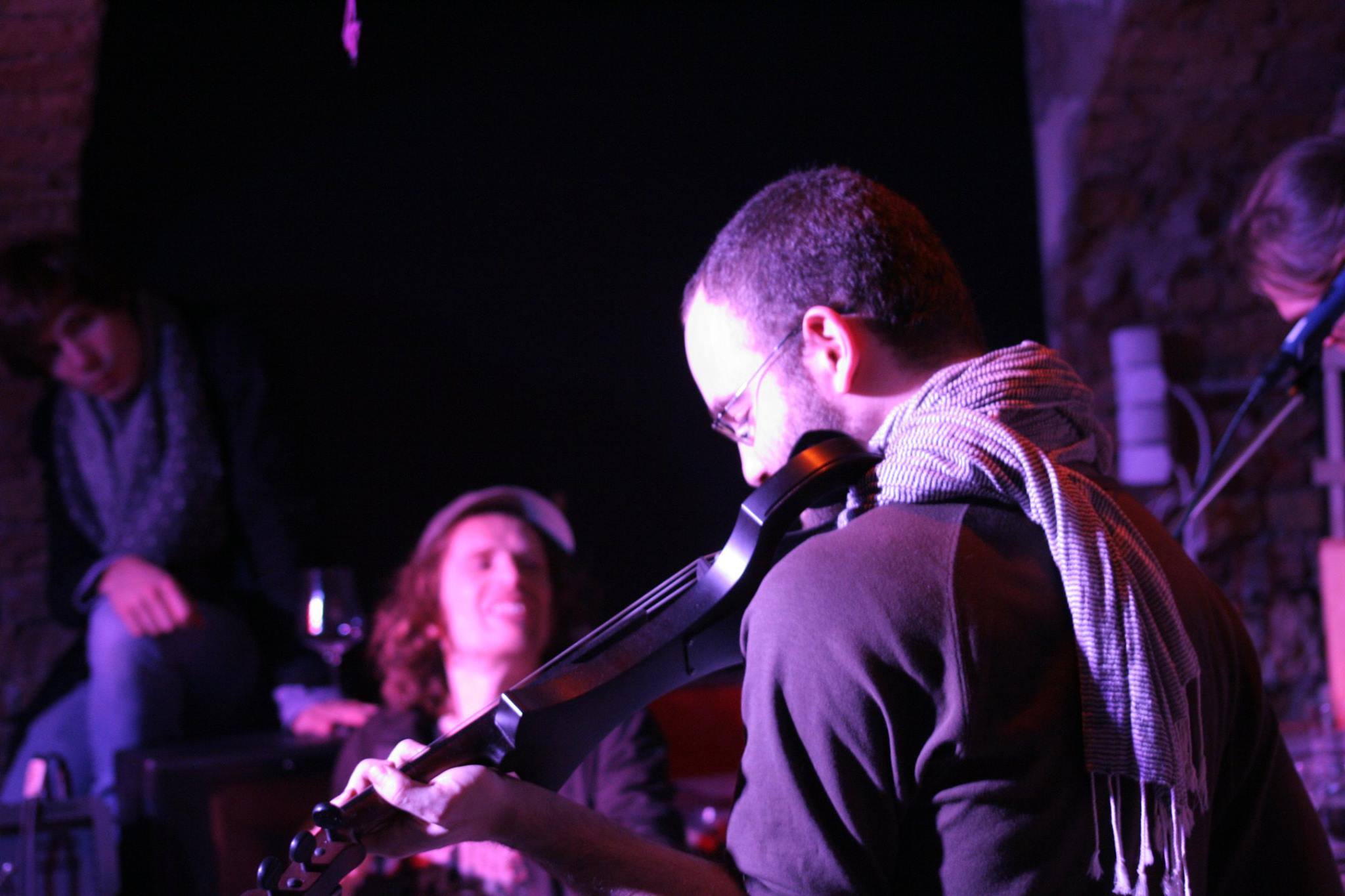
There were many concerts, exhibitions, food tastings, workshops, local history and urban city walks etc.
The Jakab Gláser Memorial Foundation was present with three programs:
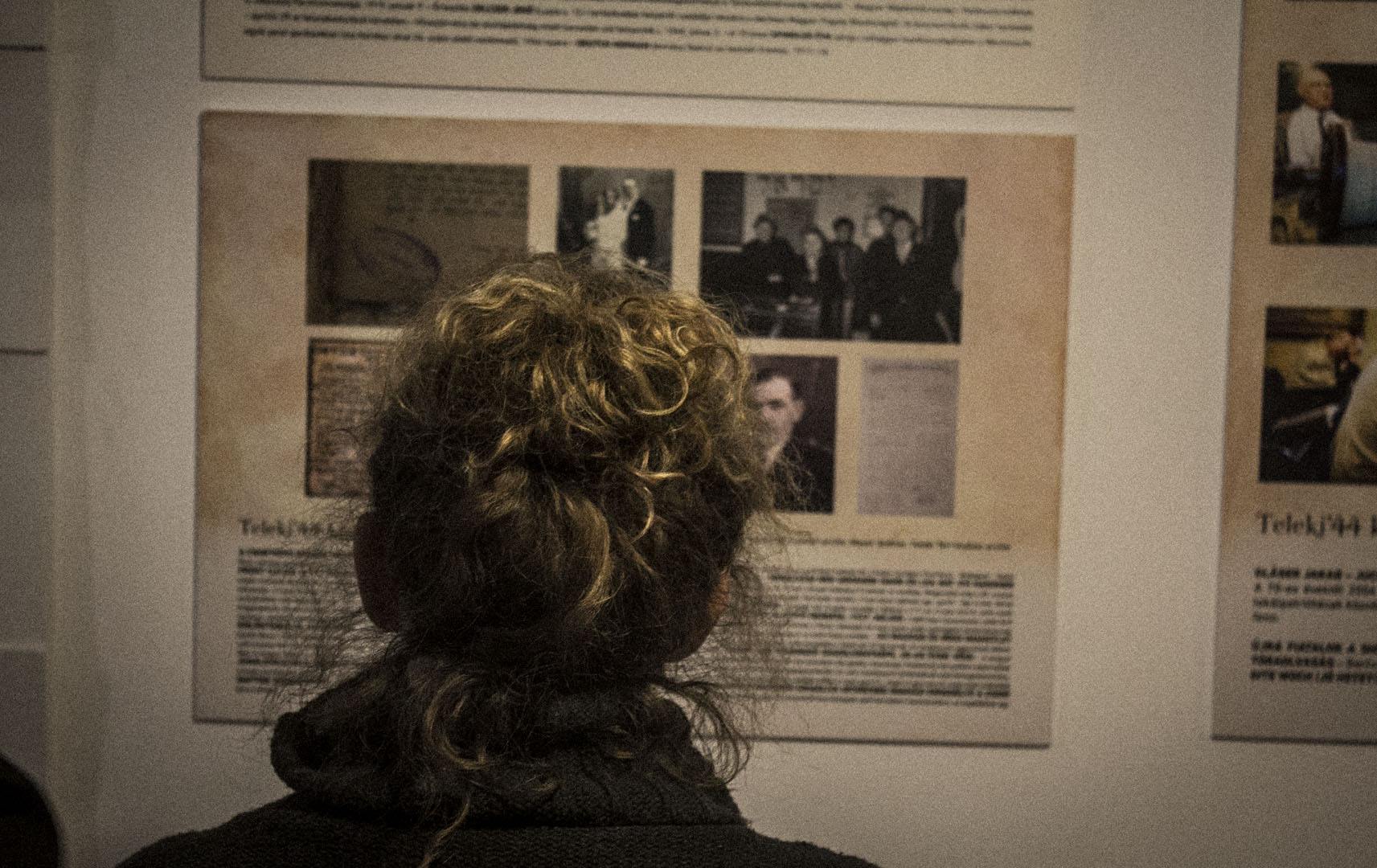
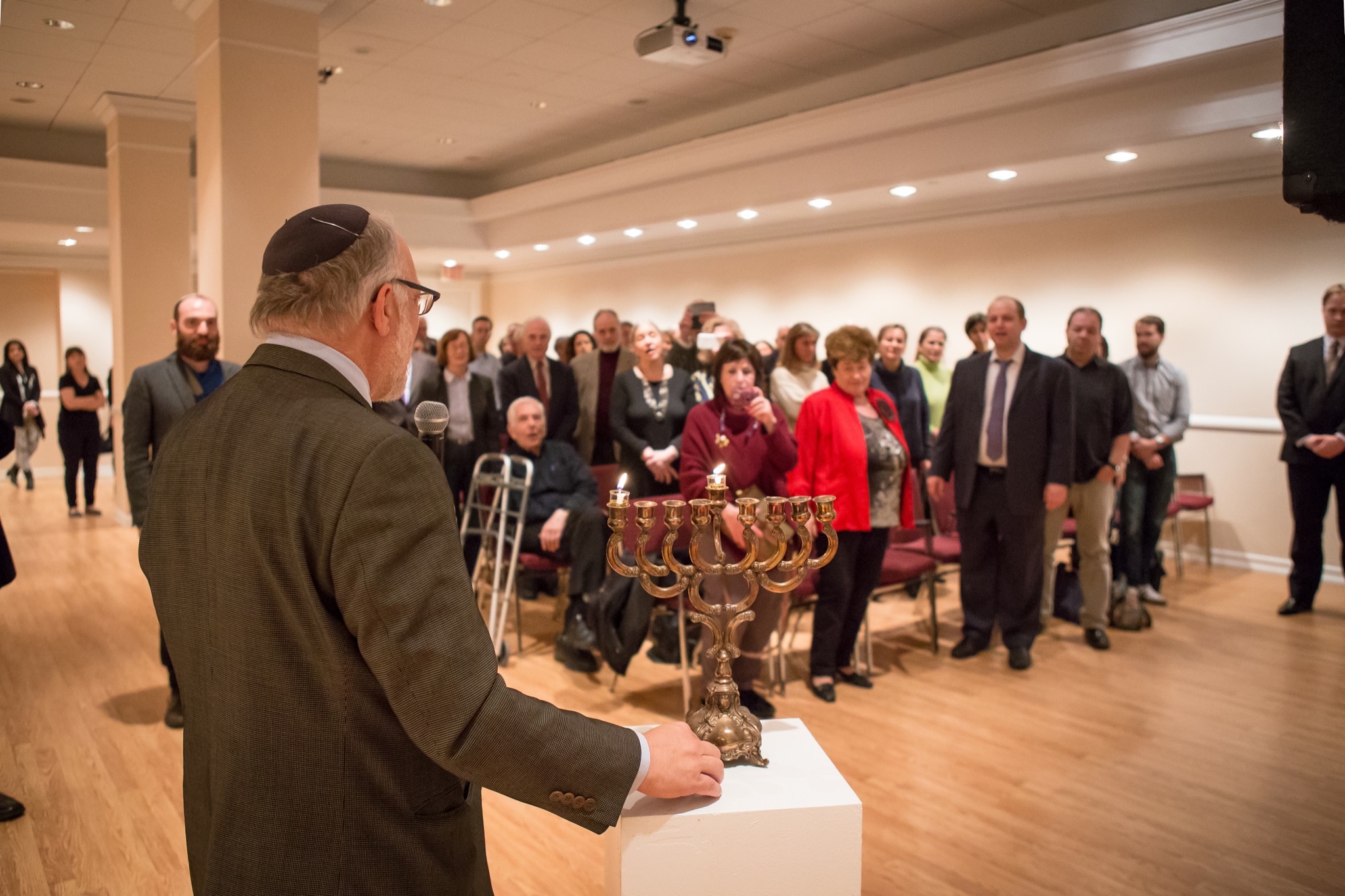
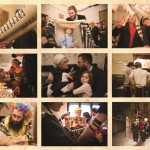 The last prayer house at Teleki Square — Photo exhibition
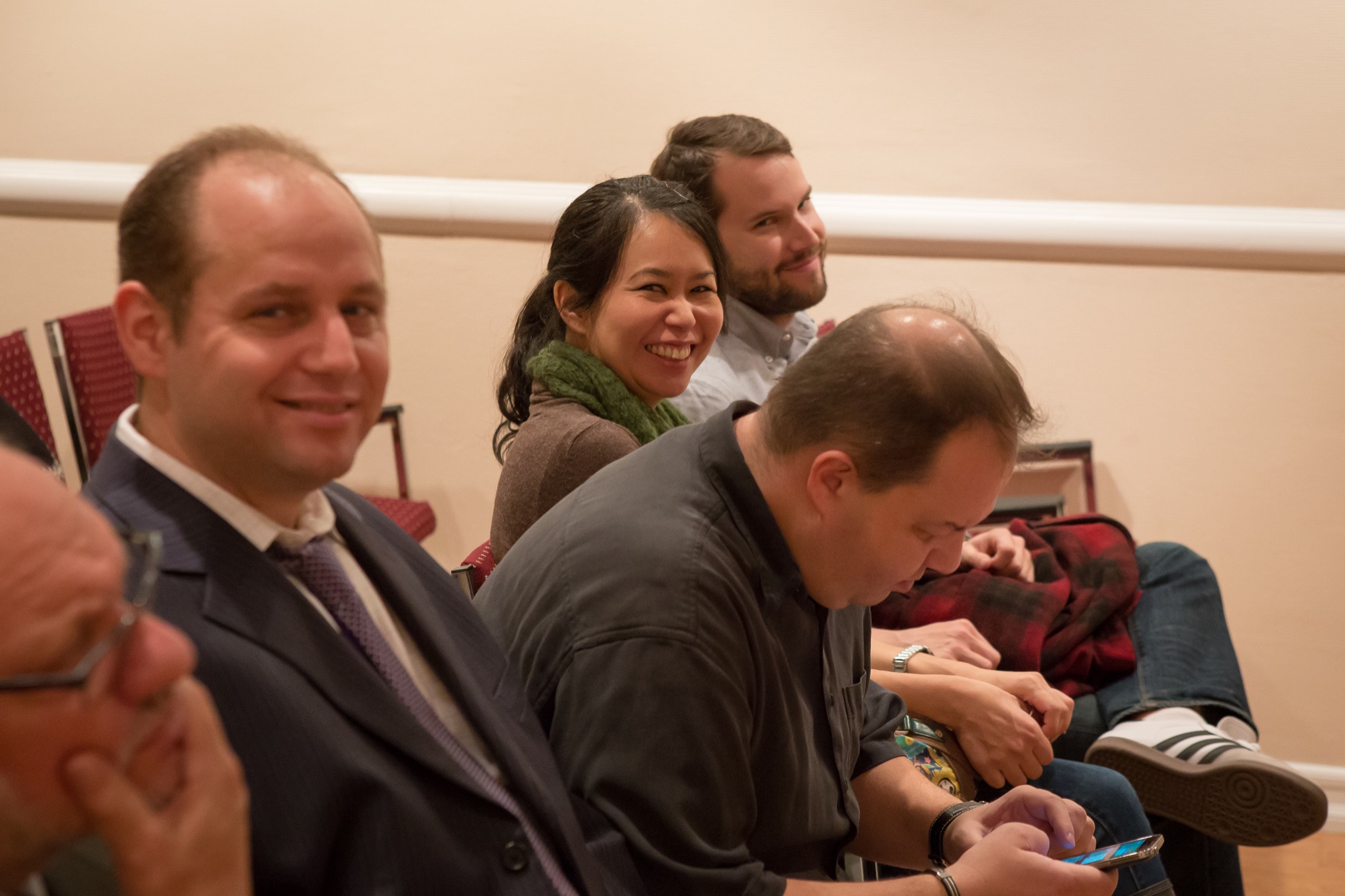
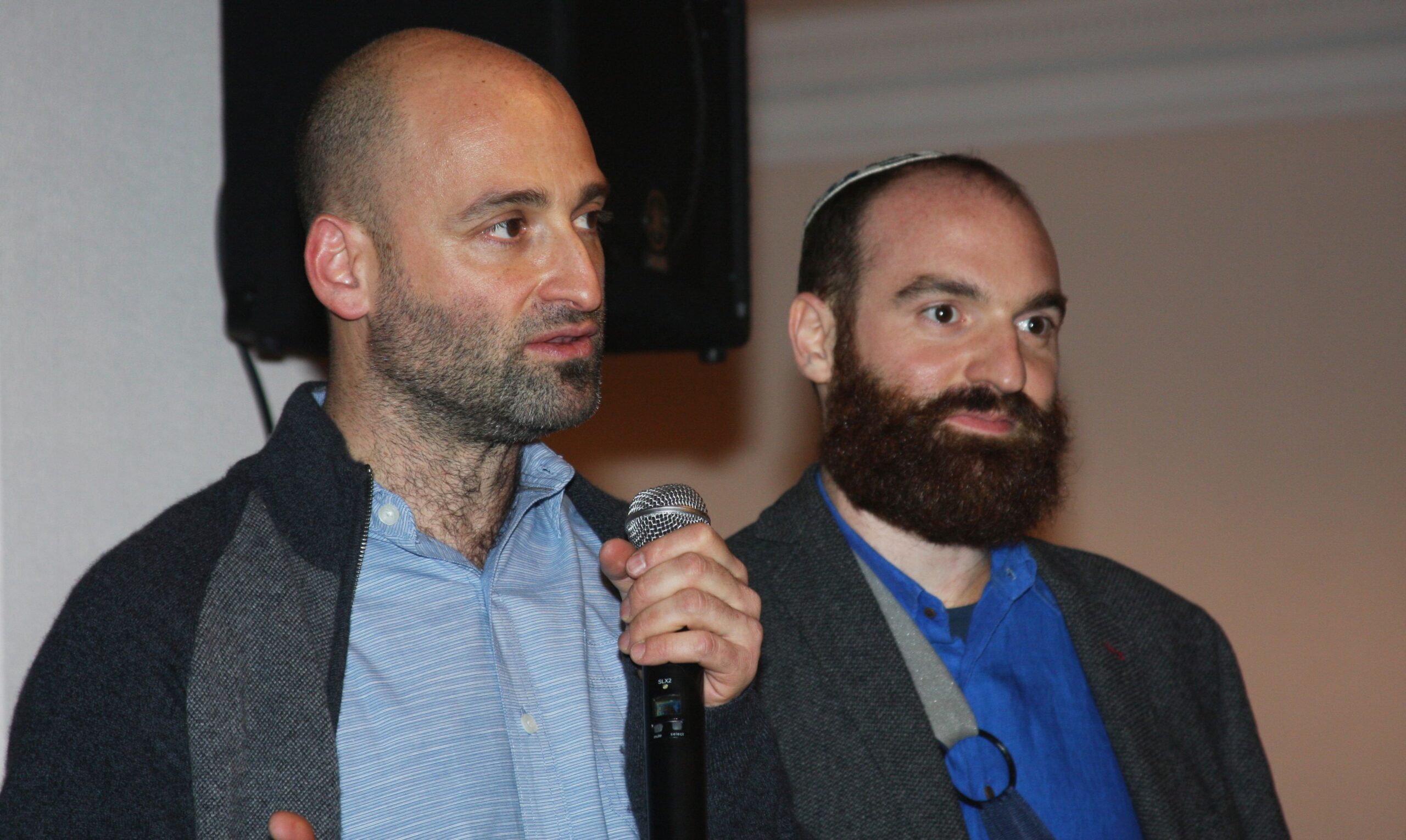
Opening: 16th December 2014, Auróra
Opened by Ágnes Fenyő, Múlt és Jövő (Past and Future)
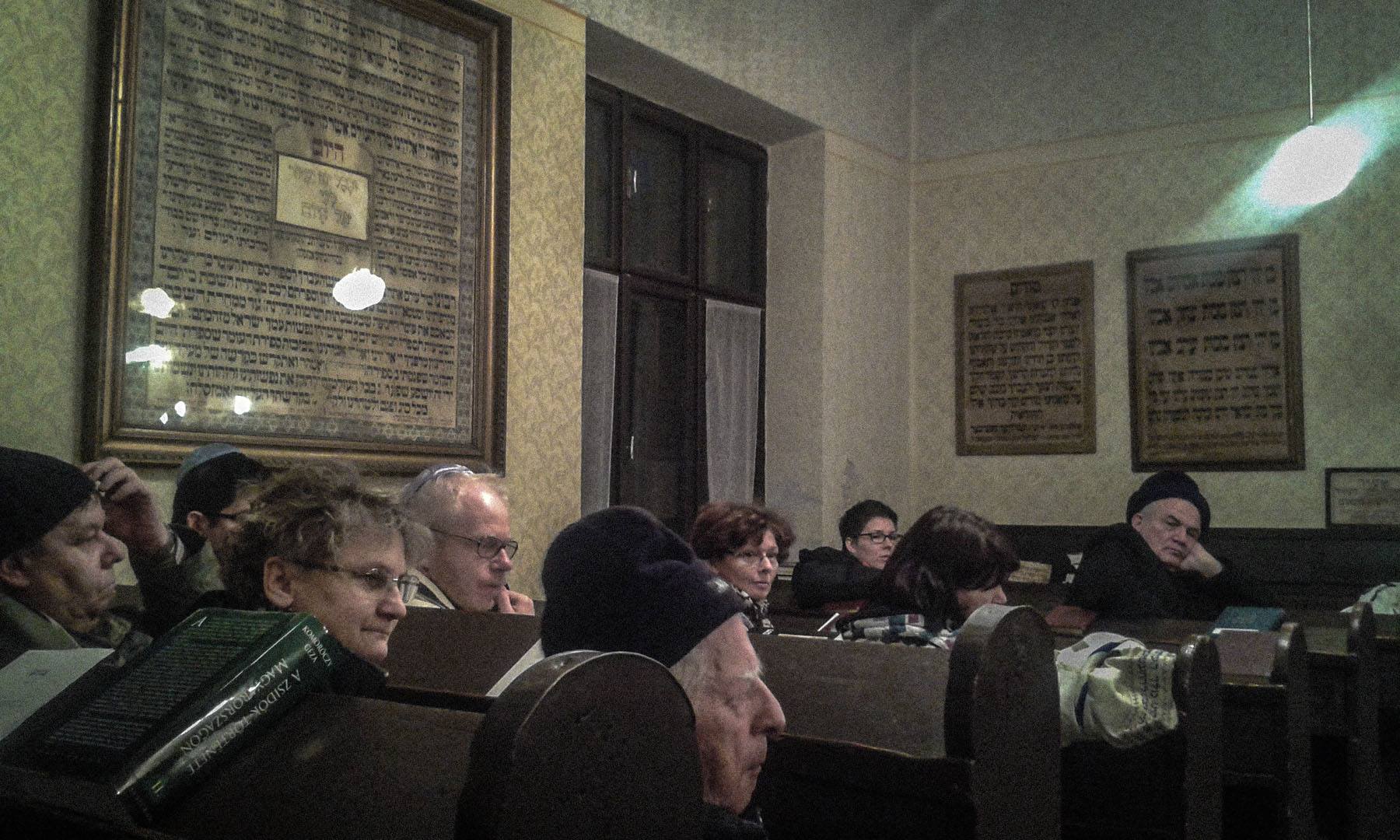
The Teleki Tér Shtiebel is the last stiebel at Teleki Square, Budapest, Hungary. It is the only Orthodox prayer house still functioning, that originally followed the Sephardi rite (Nusach Sefard). It was established at the beginning of the 20th century in the Eighth District of Budapest, by Hasids of Galicia, the followers of the Rebbe of Chortkov (today Chortkiv, Ukraine). From 1900 until the 1960’s, there were more than 50 functioning ‘shtiebelach’ (prayer-rooms in Yiddish) around Teleki Square. Today, it is the last apartment prayer house in the area, and probably in the entire region.
With the work of a few enthusiastic and dedicated members of the Teleki community, the prayer house survived, and managed to keep its original form. Before and after World War II it provided a community place for a few dozen families. ‘The Teleki’ – as those who attend the place call it, – is not just a special gem of the Hungarian Jewish religious life, but it is an integral part of the capital’s architectural and cultural heritage as well. It is now attracting more and more international attention. The community life here is based on the old, traditional values that have still survived.
The photographers help us to look, through the eyes of several generations, at the inner world of the shul, which has been functioning since the beginning of the 20th century. At the same time, however, there are people, stories and celebrations that cannot appear in the album – but have been preserved as lively images, stored, in people’s minds, in the form of memories of exceptional events and experiences. This is why some texts were added from the biography interviews from our research, Teleki’44. Excerpts from these interviews, about the shul, accompany the photos, both in the book and the exhibition. These texts are not mere captions, but rather offer a kind of historical background to the photos.
At the same time, the English version of the photo exhibition opened at the Consulate General of Hungary in New York, USA.
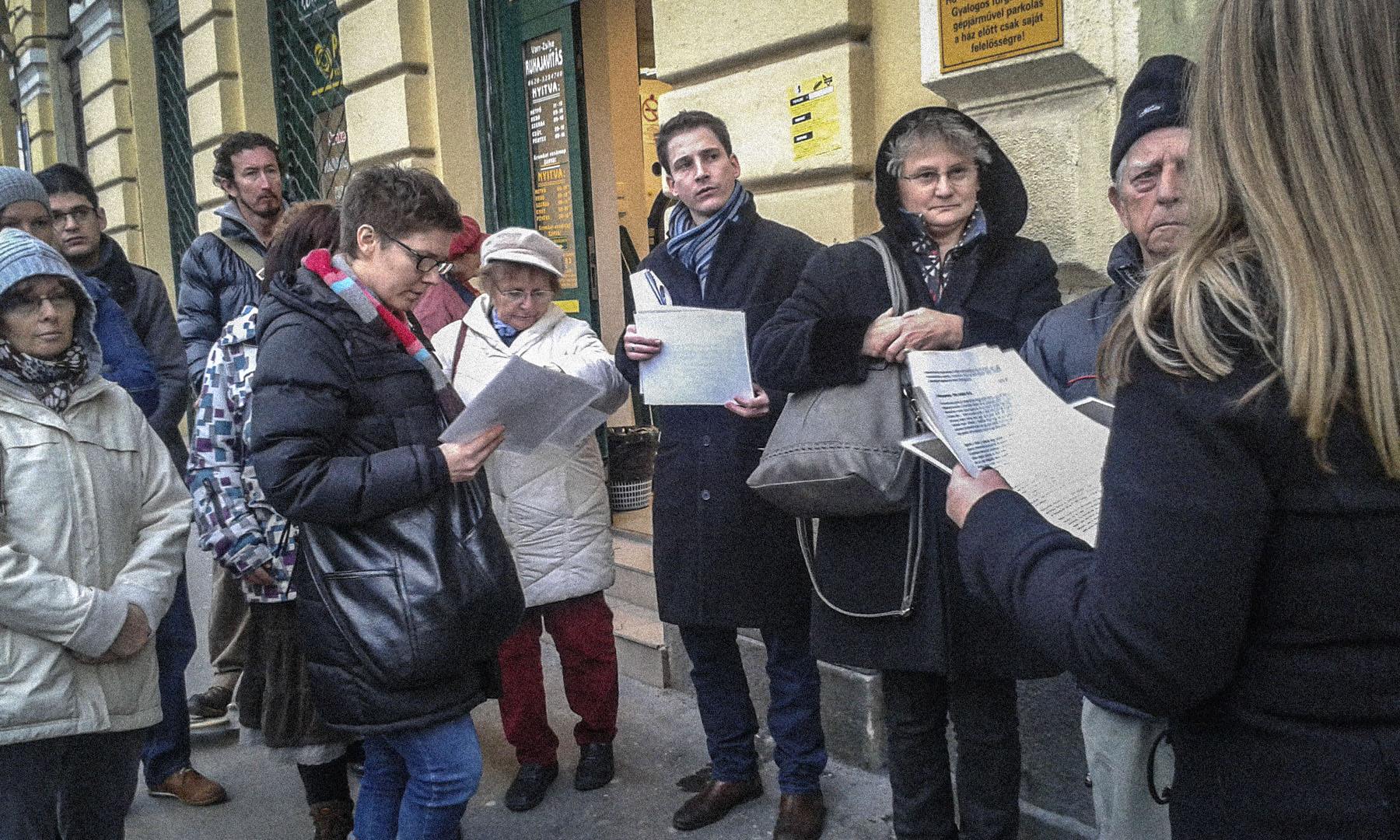
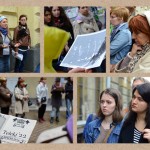 “Nem szaroztak, ezek vagány zsidók voltak” — Local history walk
Date: 18th December 2014
The guided tour entitled “Nem szaroztak, ezek vagány zsidók voltak” (They didn’ mock around, these were cool hand Jews) presented the 1944 events of 8th District of Budapest, the stories of yellow-star houses, survival with fake foreign documents (Schutzpass and Schutzbrief) and Jewish resistance in Népszínház street. The guides were Kata E. Fris, Szilvia Lelkes and Tamás Adler.
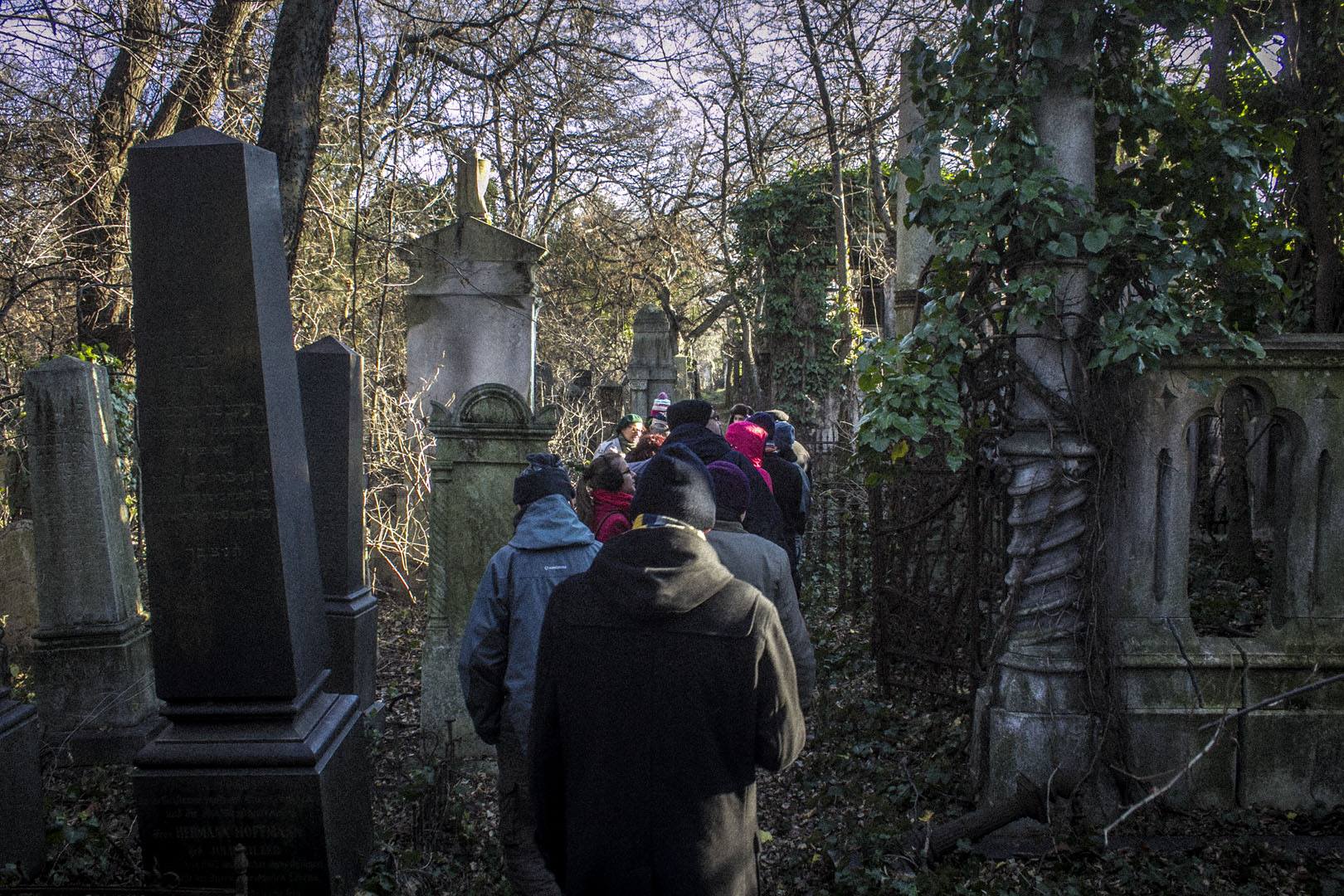
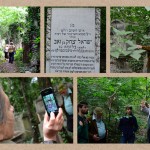 Walk through the Salgótarjáni Street Jewish Cemetery — Local history walk
Date: 21st December 2014
The local history walk was guided by Nóra Margitta, the one of the key members of Teleki Tér Shtiebel and Jakab Gláser Memorial Foundation. It showed Art Nouveau monuments and the graves of famous Jews who lived at the turn of the century.
Photos by Quarter7Quarter8 and András Mayer
-
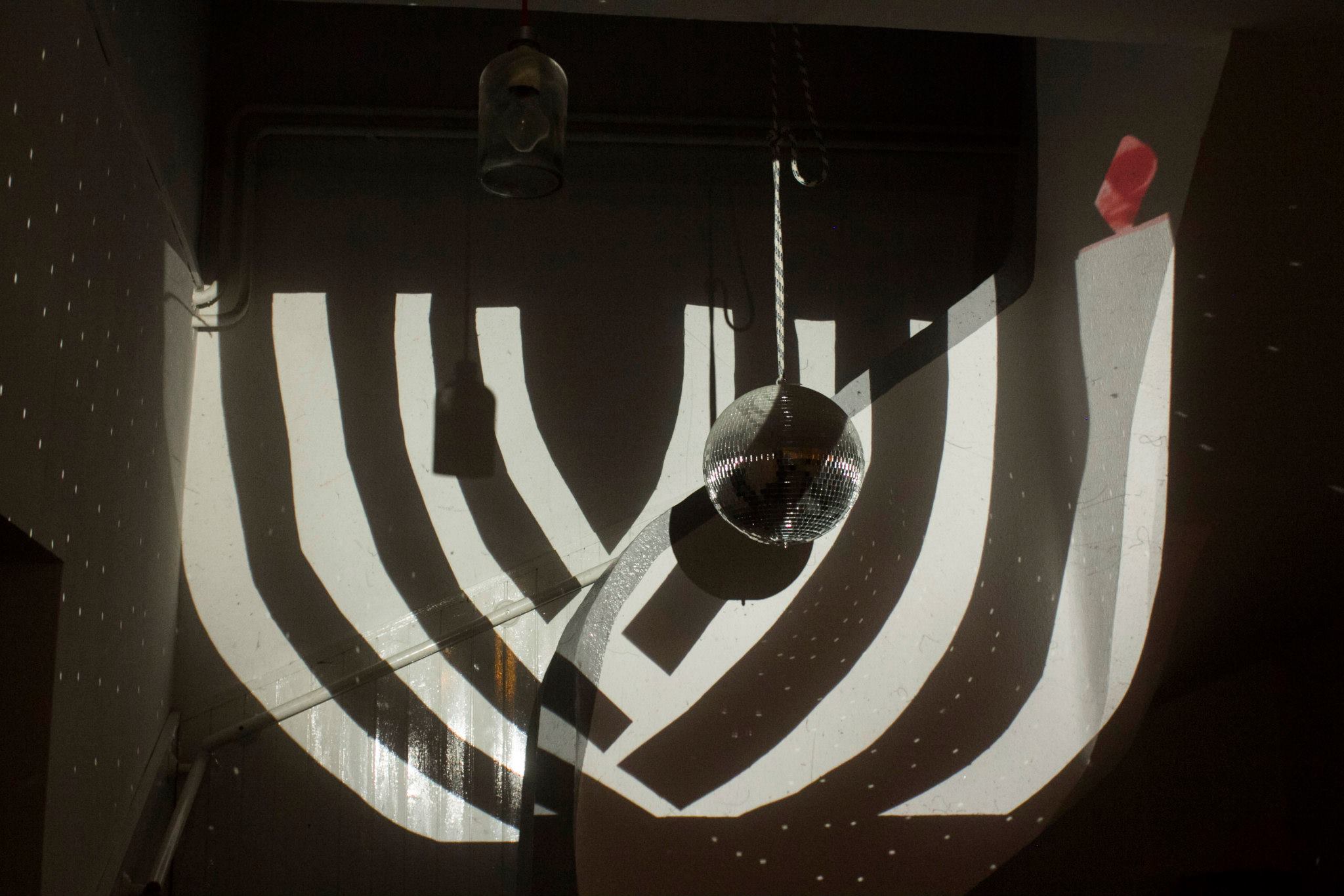
- Chanukiah installation
-
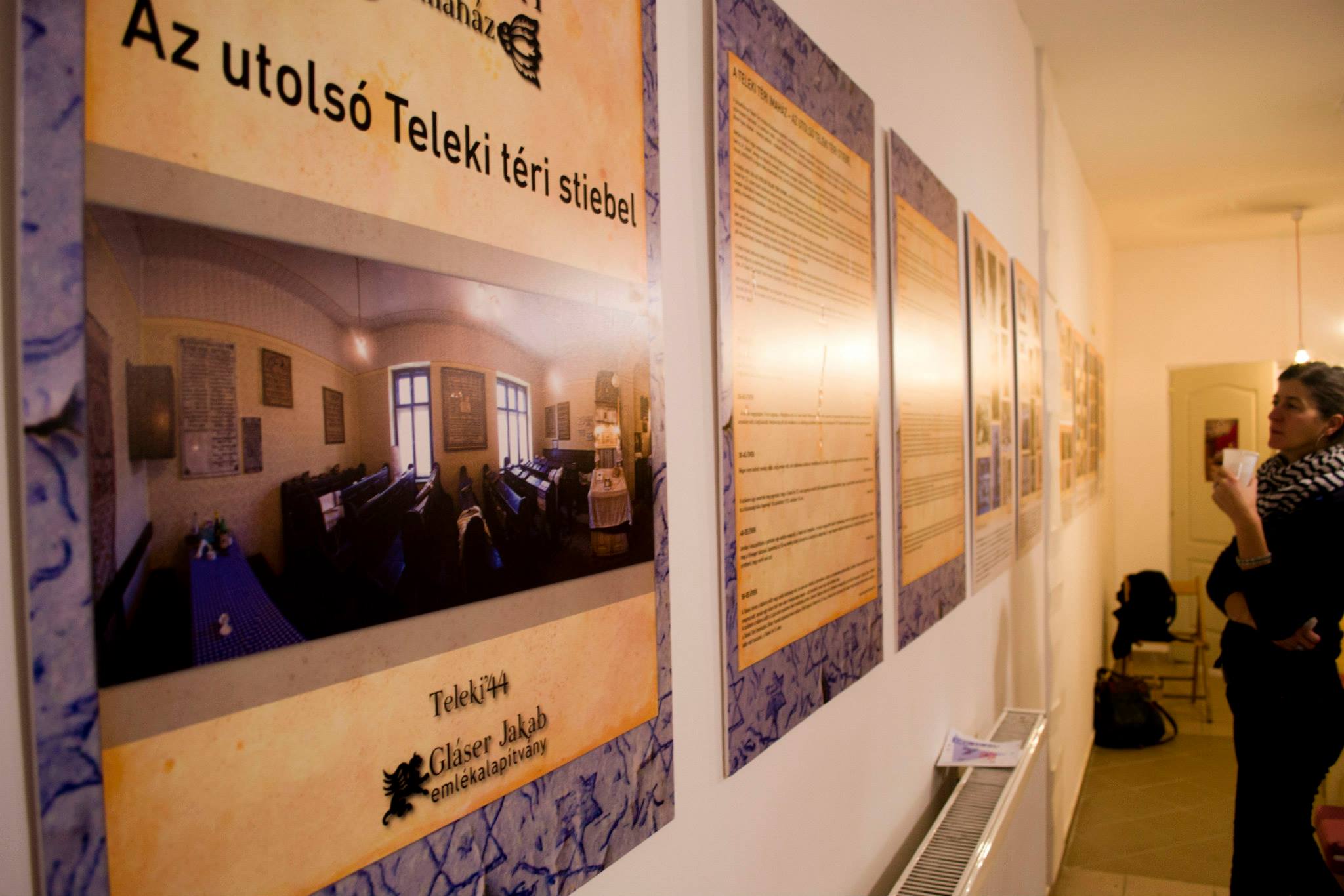
- The last prayer house at Teleki Square
-
- Teleki Tér Shtiebel
-
- Salgótarjáni Street Jewish Cemetery
-
- Consulate General of Hungary in New York, USA