Anna Lindh Foundation
 Between 18th and 20th September 2014, the member organizations of Anna Lindh Foundation organized a three-day ‘Art as a medium’ festival. The Anna Lindh Foundation is an international civil network which is working for the increase intercultural dialogue and interaction.
The program of the festival consisted exhibitions, creative workshops, projections of films, professional conferences, music and gastronomy programs. The Jakab Gláser Memorial Foundation had two exhibitions and a workshop at the festival.
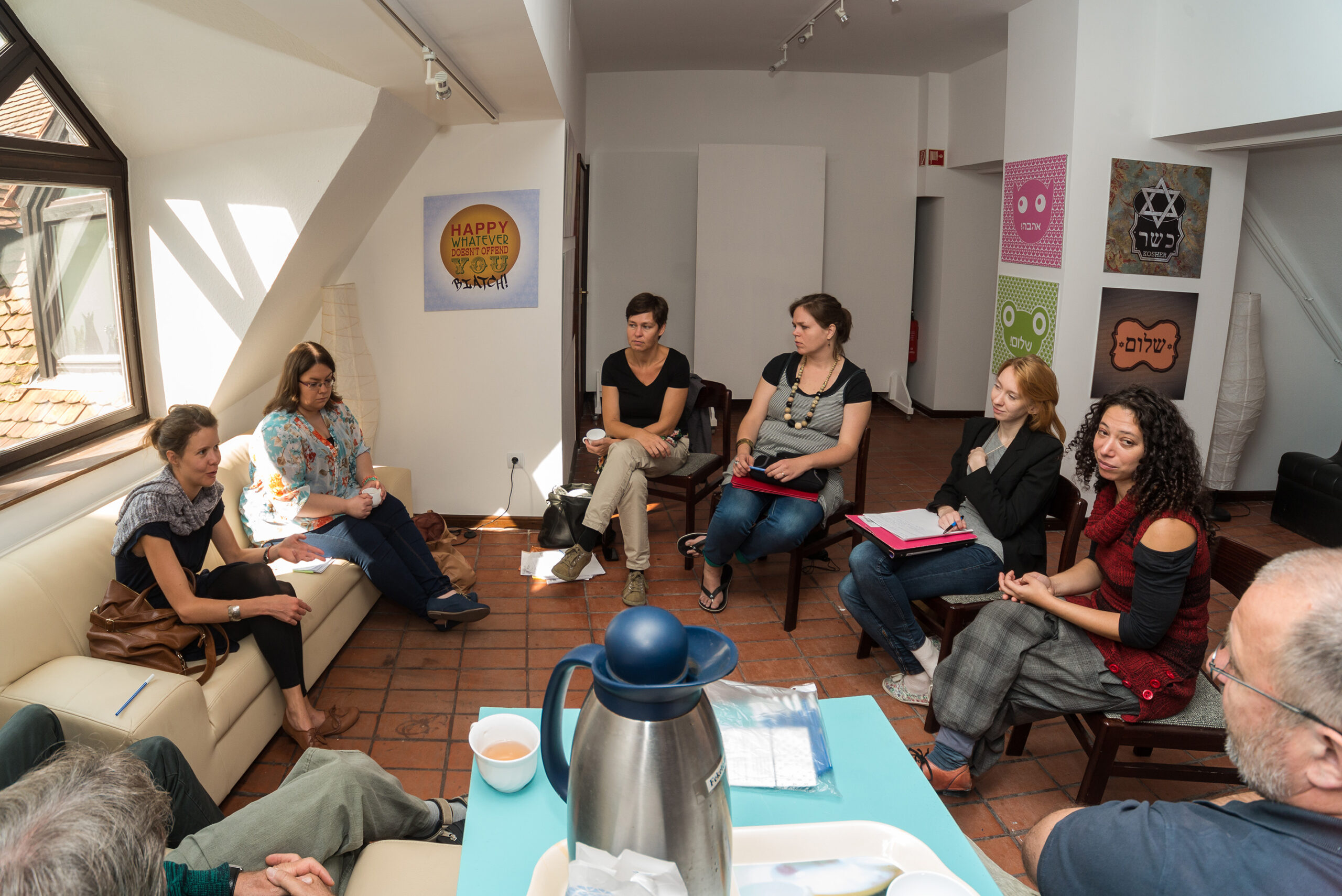
PopJew 5774 — Contemporary visual reflections from 8th District of Budapest
 Can we express the Jewish culture by non-tradicional objects and forms? How can we connect the Judaism and the contemporary visual culture nowadays in Józsefváros? Róbert Székely, the graphic designer of Teleki Tér Shtiebel and Jakab Gláser Memorial Foundation tried to answer that questions by own creations.
“I got to the bottom of the Jewish symbolism during designing the image of Teleki Tér Shtiebel. The creations are the “added products” of that process, the integration of the traditional Jewish imagery into my own pop culture roots.”
Artist: © Róbert Székely, 8th District Budapest
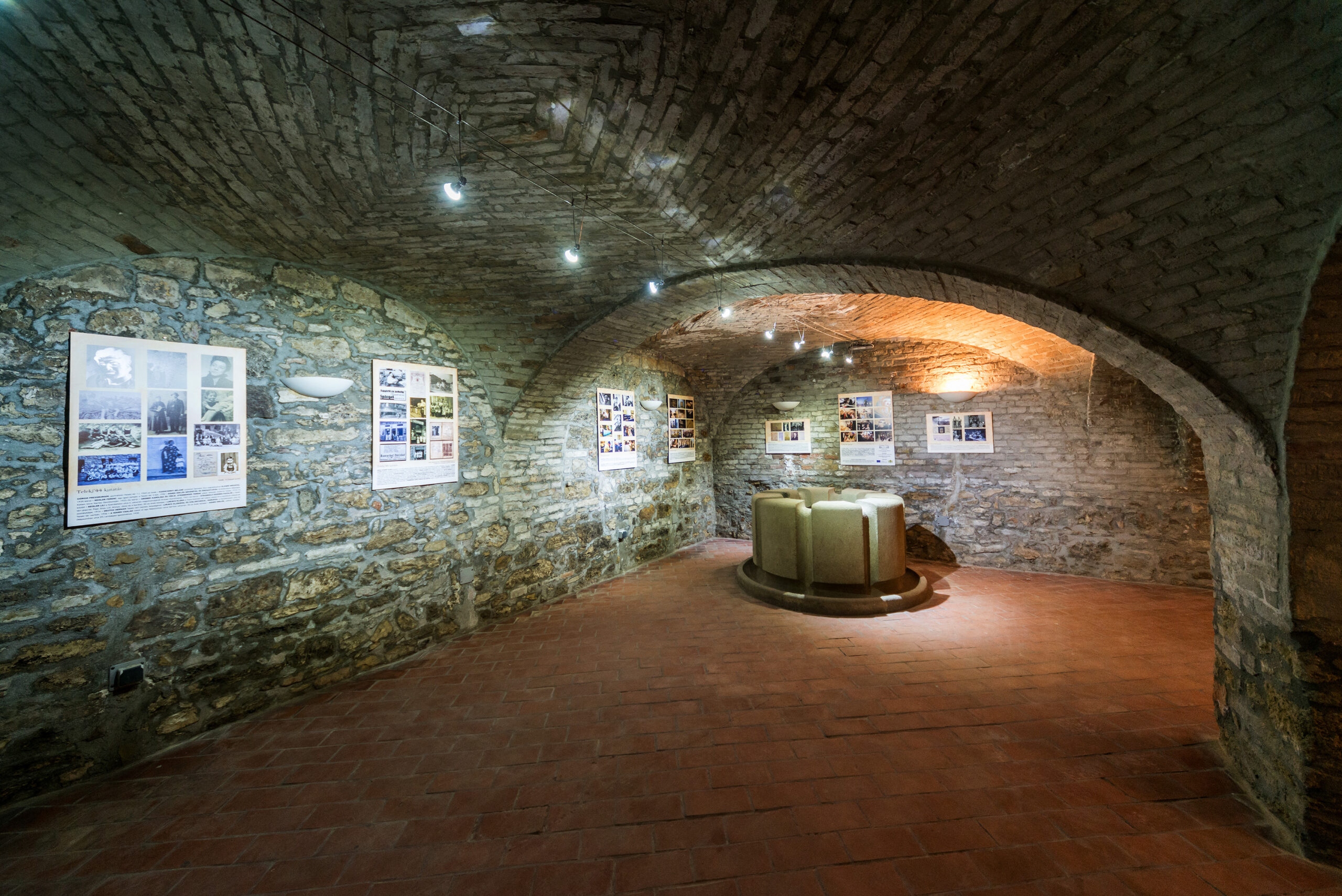
The last prayer house at Teleki Square — Photo exhibition
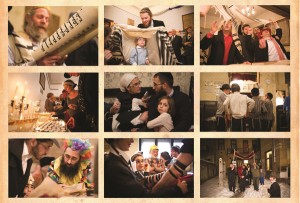 The Teleki Tér Shtiebel is the last stiebel at Teleki Square, Budapest, Hungary. It is the only Orthodox prayer house still functioning, that originally followed the Sephardi rite (Nusach Sefard). It was established at the beginning of the 20th century in the Eighth District of Budapest, by Hasids of Galicia, the followers of the Rebbe of Chortkov (today Chortkiv, Ukraine). From 1900 until the 1960’s, there were more than 50 functioning ‘shtiebelach’ (prayer-rooms in Yiddish) around Teleki Square. Today, it is the last apartment prayer house in the area, and probably in the entire region.
With the work of a few enthusiastic and dedicated members of the Teleki community, the prayer house survived, and managed to keep its original form. Before and after World War II it provided a community place for a few dozen families. ‘The Teleki’ – as those who attend the place call it, – is not just a special gem of the Hungarian Jewish religious life, but it is an integral part of the capital’s architectural and cultural heritage as well. It is now attracting more and more international attention. The community life here is based on the old, traditional values that have still survived.
The photographers help us to look, through the eyes of several generations, at the inner world of the shul, which has been functioning since the beginning of the 20th century. At the same time, however, there are people, stories and celebrations that cannot appear in the album – but have been preserved as lively images, stored, in people’s minds, in the form of memories of exceptional events and experiences. This is why some texts were added from the biography interviews from our research, Teleki’44. Excerpts from these interviews, about the shul, accompany the photos, both in the book and the exhibition. These texts are not mere captions, but rather offer a kind of historical background to the photos.
Curators: Kata E. Fris, Gábor Mayer, András Mayer, Róbert Székely
Photos by © Family archives, © András Mayer, © Barbara Spitzer, © Yale Strom
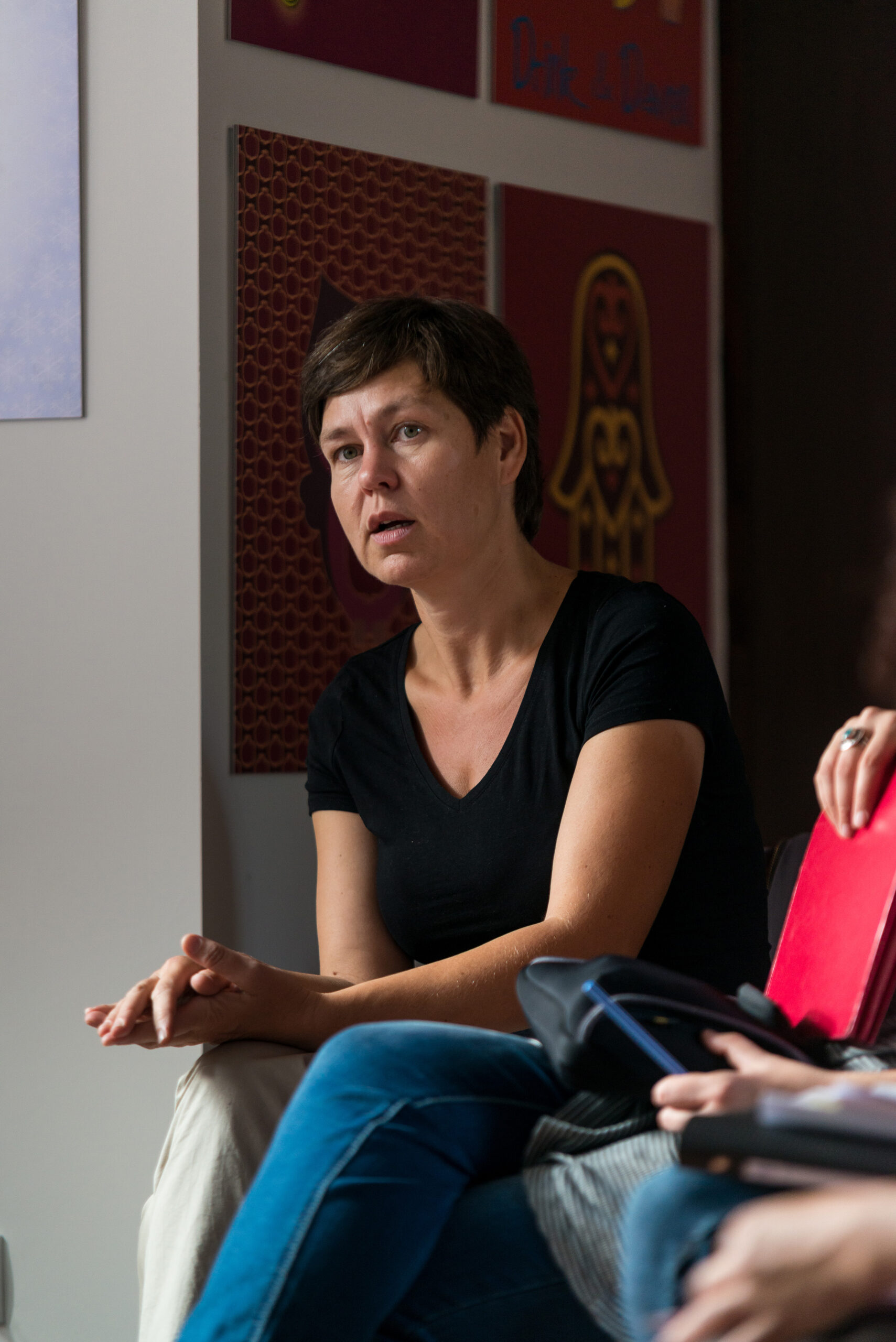
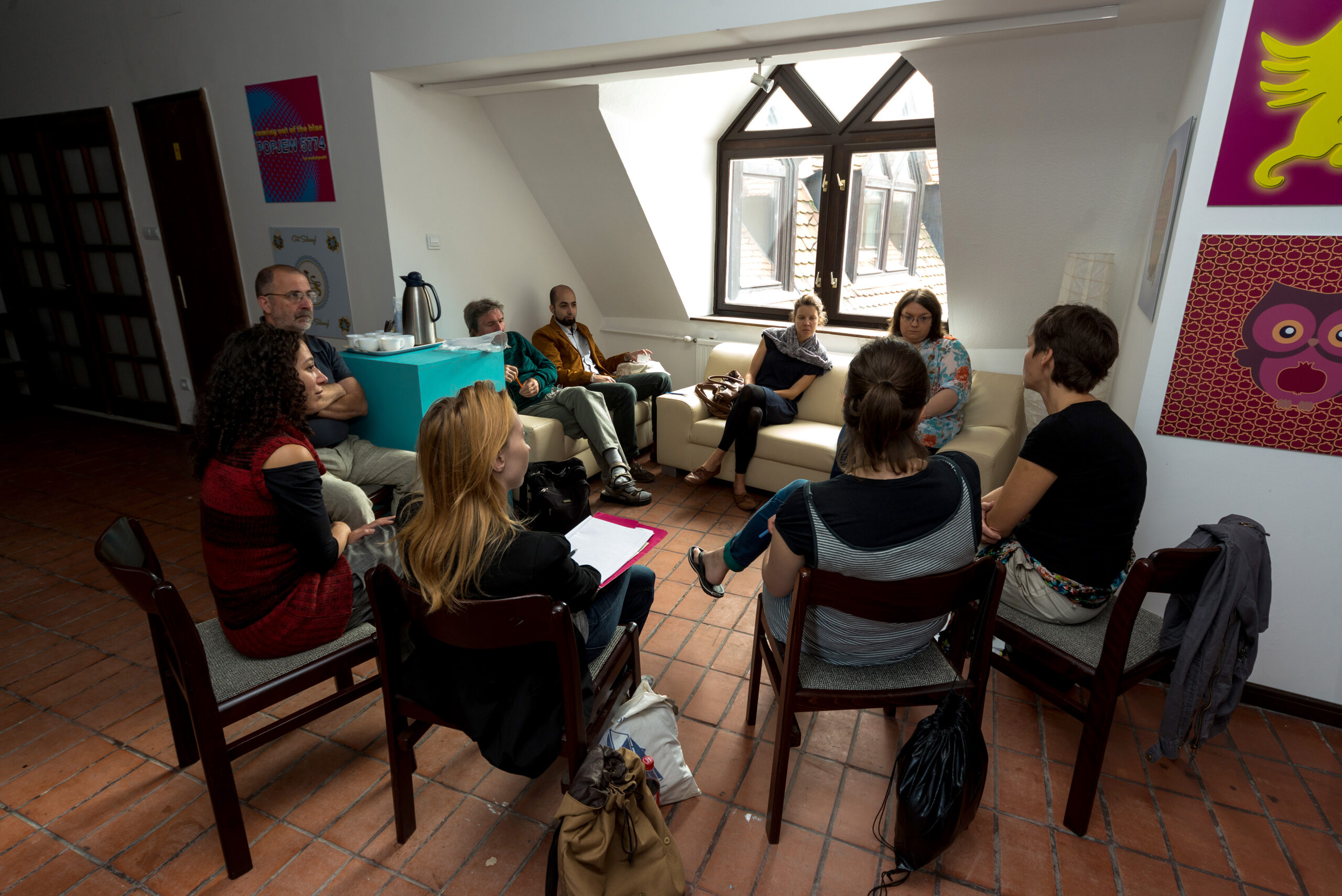
‘The fear was written on the walls” — Workshop about the prejudice
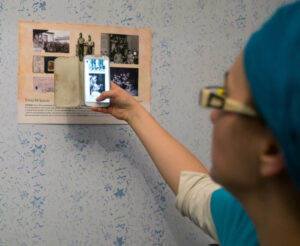 We use squares, buildings and houses without knowing about their past and the life of the former dwellers. The historical memory does not working without micro-stories. Many people do not know that Józsefváros had a large Jewish population. Most of us were crafts and small traders who worked around Teleki László Square between 1897 and 1952. The Jews and their lifestyle have now disappeared. By the collected materials of Teleki’44 research, the workshop present the former Jewish life of the neighborhood and the period between 1933 and 1945 which was determined in the life of the Jews. The members of the workshop think together about the prejudices, intolerance, deprivation of rights and the situations of social disadvantage.
Workshop leader: Nóra Margitta
Photos by Anna Lindh Foundation
-
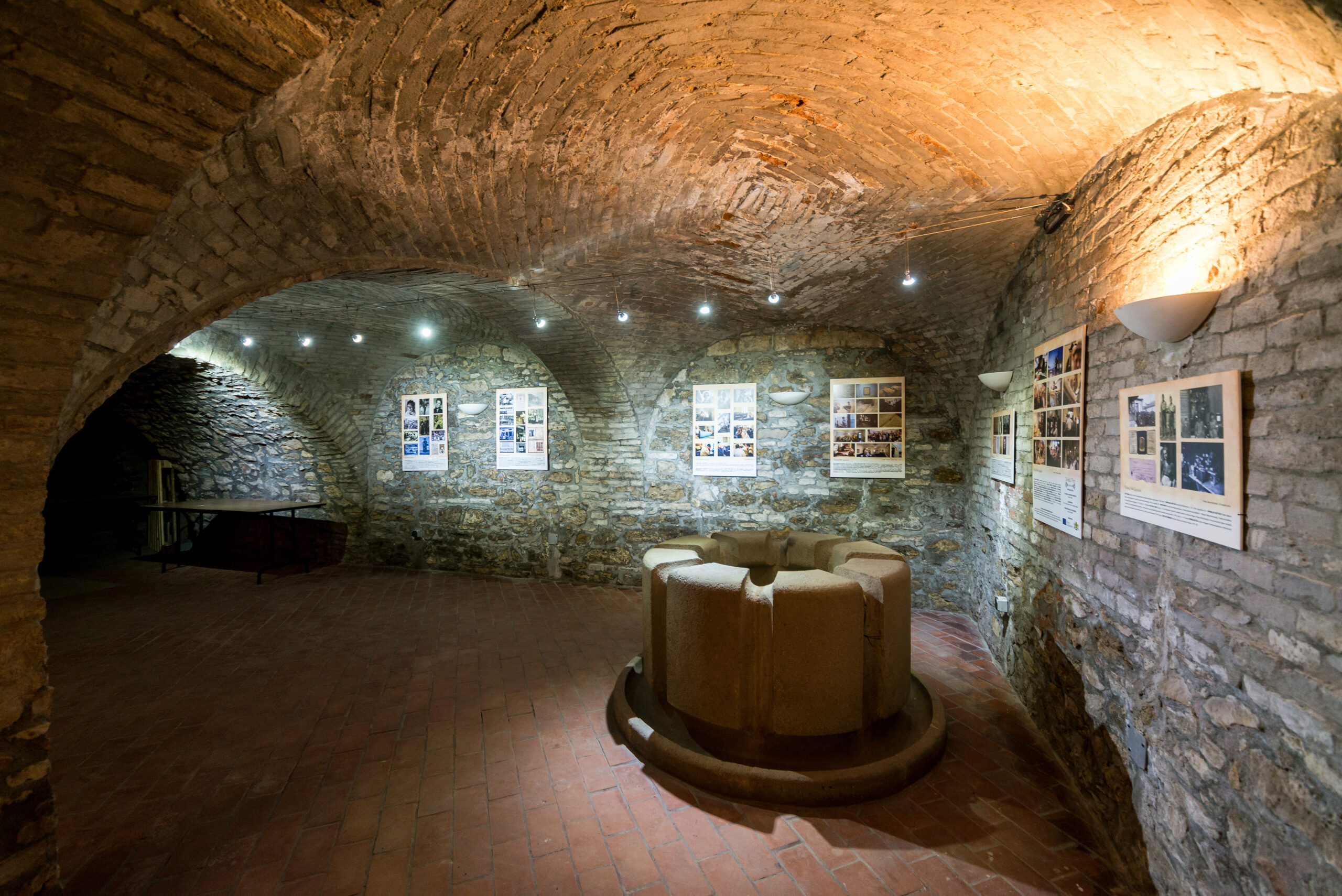
- The last prayer house at Teleki Square photo exhibition
-
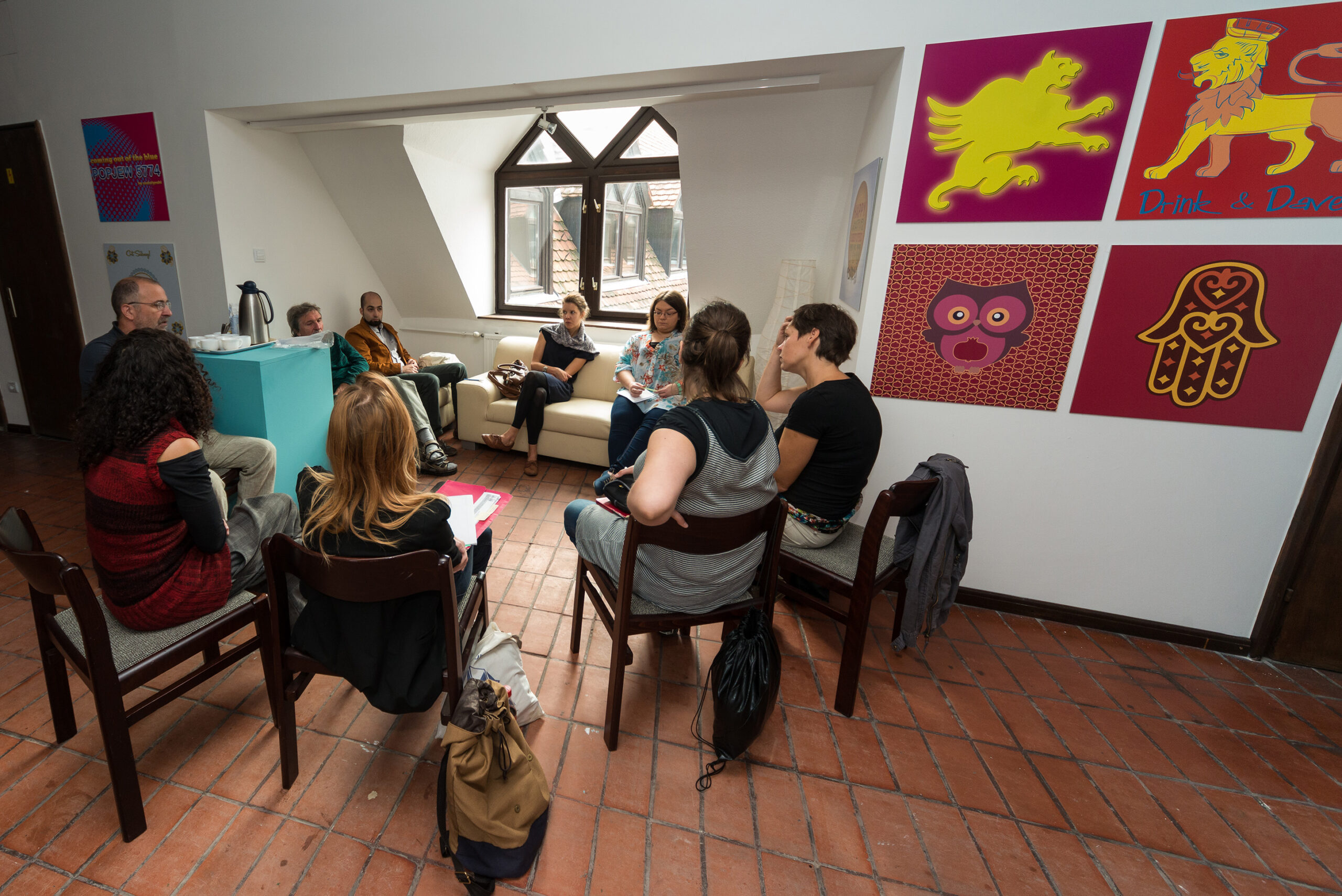
- PopJew 5774